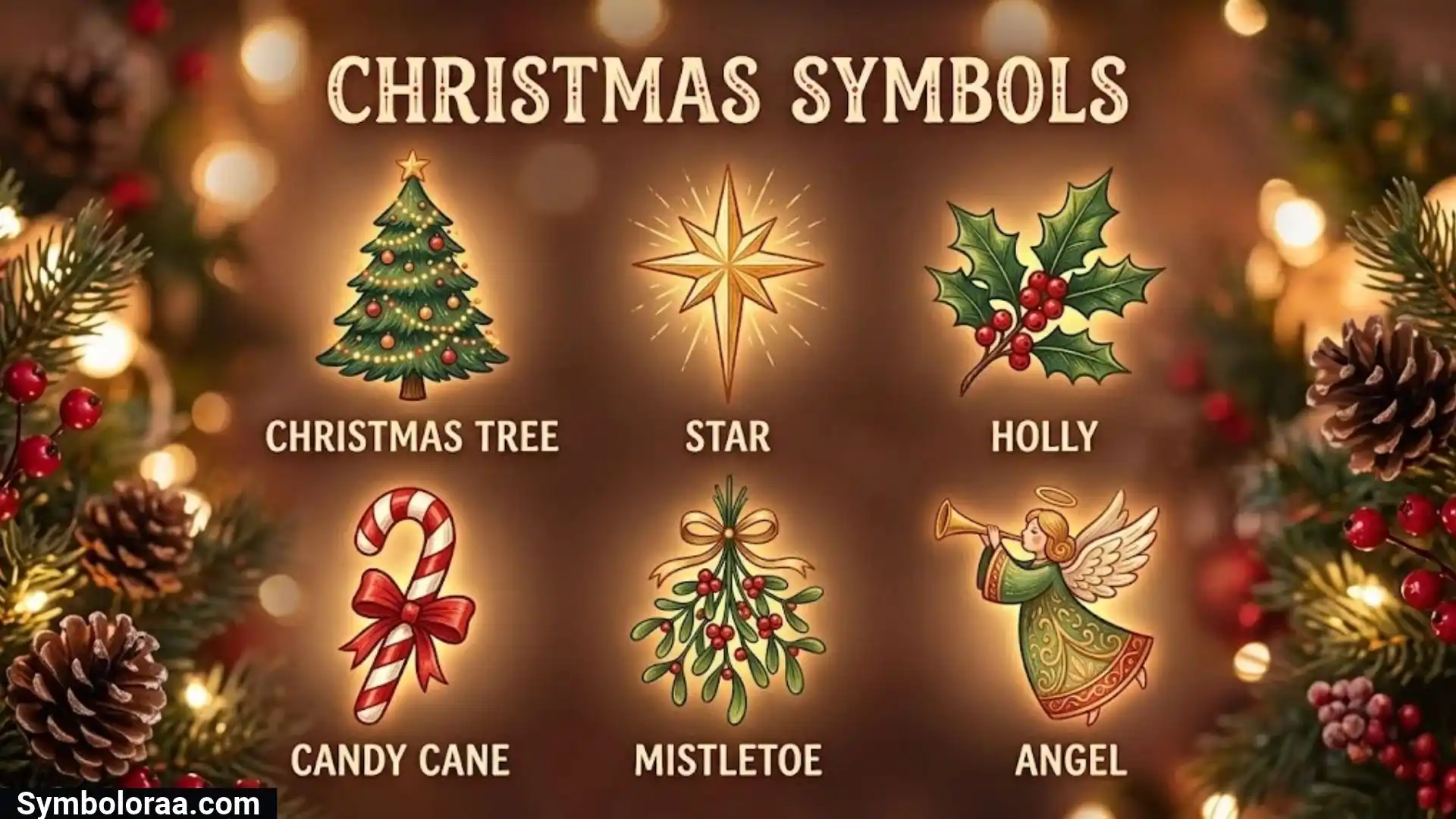
Christmas is more than a holiday filled with gifts, decorations, and festive meals. Every year, people around the world decorate their homes with familiar objects that carry stories, beliefs, and traditions. From the Christmas tree to the Star of Bethlehem, these symbols help explain what makes the holiday meaningful.
Some Christmas symbols represent Christian beliefs about the birth of Jesus Christ. Others developed through European winter customs, folklore, and modern holiday celebrations. Over time, families and communities have given these symbols their own meanings.
Understanding the meaning of Christmas symbols helps you appreciate the history behind familiar decorations. Whether you celebrate Christmas for religious reasons, cultural traditions, or the joy of the season, these 12 popular symbols reveal why certain objects remain part of the holiday.
What Are Christmas Symbols?
Christmas symbols are objects, decorations, plants, colors, and figures associated with Christmas. They represent religious beliefs, cultural traditions, generosity, hope, love, and the joy of celebrating with others.
Some symbols have direct connections to Christianity. For example, the Nativity scene represents the birth of Jesus, while the Star of Bethlehem recalls the star described in the Gospel of Matthew.
Other symbols have developed through centuries of cultural traditions. The Christmas tree, wreaths, stockings, and mistletoe each have their own histories, although some popular explanations about their origins remain uncertain.
Today, these symbols appear in homes, churches, schools, shopping centers, and public spaces. Their meanings can vary depending on a person’s beliefs, family traditions, and cultural background.
Why Are Christmas Symbols Important?
Christmas symbols make the holiday recognizable and help people express its meaning through familiar objects. They also connect modern celebrations with traditions passed down through generations.
Here are some reasons these symbols matter:
- Religious significance: Nativity scenes, angels, and the Star of Bethlehem remind Christians of the birth of Jesus Christ.
- Family traditions: Christmas trees, stockings, and ornaments help families create lasting memories.
- Hope and renewal: Lights, candles, and evergreen plants symbolize hope during the darkest part of winter.
- Love and generosity: Gifts, candy canes, and Santa Claus reflect kindness and the spirit of giving.
- Cultural identity: Different countries and communities use their own decorations, foods, and customs to celebrate Christmas.
Although these meanings overlap, not every Christmas symbol has the same significance for everyone. A decoration may carry religious meaning for one person and simply represent holiday cheer for another.
Christmas Tree: A Symbol of Life and Celebration
The Christmas tree is one of the most recognizable symbols of Christmas. Families decorate evergreen trees with lights, ornaments, ribbons, and other festive decorations to celebrate the season.
Evergreen plants remain green throughout winter, making them natural symbols of life and endurance. In regions where winter brings cold weather and bare trees, their lasting greenery offers a reminder that life continues even during difficult seasons.
The modern Christmas tree tradition developed in German-speaking parts of Europe. Over time, the custom spread to other countries and became a central part of Christmas celebrations.
Today, people use both real and artificial trees. Some decorate them with handmade ornaments, while others prefer coordinated colors and elaborate lighting.
What Does the Christmas Tree Symbolize?
The Christmas tree commonly represents:
- Everlasting life: Evergreen branches remain green throughout the year.
- Hope: The tree reminds people of renewal and brighter days ahead.
- Family unity: Decorating the tree can become a meaningful family tradition.
- Joy and celebration: Lights and ornaments create a festive atmosphere.
- Faith: Some Christians associate the tree with eternal life through Jesus Christ.
The tree’s meaning depends on the person or tradition. For many families, it combines religious symbolism with personal memories and seasonal happiness.
Star of Bethlehem: A Symbol of Guidance and Hope

The Star of Bethlehem is an important Christian Christmas symbol. According to the Gospel of Matthew, a star guided the Magi, often called the Wise Men, toward the place where Jesus was born.
Many people place a star at the top of their Christmas tree to remember this biblical story. Star-shaped decorations also appear in windows, on rooftops, and throughout holiday displays.
The star represents guidance because it directed the Wise Men toward Jesus. It also reflects the idea of finding light and direction during uncertain times.
Meaning of the Star of Bethlehem
The Star of Bethlehem symbolizes several important ideas:
- Guidance: It represents finding the right path.
- Hope: The star recalls the promise associated with the birth of Jesus.
- Faith: It reflects the Wise Men’s journey and their search for the newborn king.
- Divine purpose: Christians often interpret the star as a sign of God’s involvement in the Nativity story.
- Light in darkness: Its brightness offers a reminder of hope during challenging times.
For Christians, the star has a clear connection to the biblical account of Jesus’ birth. In broader holiday celebrations, it can also symbolize inspiration and the search for meaning.
Christmas Lights and Candles: Symbols of Light and Hope
Christmas lights transform homes, streets, and public spaces during the holiday season. Their warm glow creates a welcoming atmosphere, especially during winter when daylight hours are shorter.
Candles also have a long history in Christmas traditions. Some Christians light candles during Advent services and Christmas worship to represent spiritual preparation, hope, and the coming of Christ.
The symbolism of light appears in many religious and cultural traditions. At Christmas, it often reflects the contrast between darkness and hope.
Electric Christmas lights eventually became a safer alternative to decorating trees with open flames. Today, colorful bulbs and LED lights allow families to create displays ranging from simple window decorations to elaborate outdoor arrangements.
What Do Christmas Lights Represent?
Christmas lights and candles commonly symbolize:
- Jesus Christ as the Light of the World: A central Christian interpretation of light.
- Hope: Light represents encouragement during difficult times.
- Peace: Soft candlelight can create a calm and reflective atmosphere.
- Joy: Bright decorations contribute to the excitement of Christmas.
- Togetherness: Families often decorate their homes as a shared seasonal activity.
Although electric lights are now common, candles remain important in many religious services and Advent traditions.
Christmas Wreath: A Symbol of Welcome and Continuity

A Christmas wreath is a circular decoration traditionally made from evergreen branches. People often hang wreaths on front doors, above fireplaces, or on walls during the holiday season.
The wreath’s circular shape has no beginning or end. Because of this, people often associate it with eternity, continuity, and enduring love.
Evergreen branches reinforce these ideas because they retain their color throughout winter. Ribbons, berries, pinecones, and ornaments add festive details.
The Meaning of Christmas Wreaths
Christmas wreaths can represent:
- Eternal life: Their circular shape can symbolize continuity without an end.
- Welcome: A wreath on the front door invites guests into the home.
- Everlasting love: Evergreen branches suggest enduring relationships.
- Renewal: The greenery represents life during winter.
- Tradition: Wreaths connect modern decorations with longstanding seasonal customs.
The wreath also has a religious connection through the Advent wreath. In many Christian traditions, an Advent wreath holds four candles, which are lit during the weeks leading up to Christmas. Some versions include a fifth candle for Christmas Day.
Not every wreath carries a religious meaning. Many people use them simply as seasonal decorations that make their homes feel warm and inviting.
Santa Claus: A Symbol of Generosity and Giving
Santa Claus is one of the most famous figures associated with Christmas. Children often imagine him traveling around the world on Christmas Eve, delivering gifts to homes with the help of his reindeer.
The modern Santa Claus developed through a mixture of Christian traditions, European folklore, literature, and popular culture. One important influence was Saint Nicholas, a Christian bishop remembered for stories about generosity and helping people in need.
Dutch traditions surrounding Sinterklaas also helped shape the Santa Claus figure in North America. Over time, illustrations, poems, advertisements, and holiday stories established many of the features people recognize today.
Santa is commonly portrayed as a cheerful man with a white beard, a red suit, and a sack full of presents. However, his appearance and customs have varied throughout history.
What Does Santa Claus Symbolize?
Santa Claus represents:
- Generosity: He gives gifts without expecting anything in return.
- Kindness: Stories about Santa encourage children to think about good behavior and helping others.
- Wonder: His magical journey adds excitement to Christmas Eve.
- Family traditions: Many families include Santa in gift-giving rituals and holiday stories.
- The joy of giving: His character reminds people that gifts can express love and care.
Santa Claus has become a cultural symbol that extends beyond religious celebrations. For many people, he represents the fun, generosity, and imagination associated with Christmas.
Christmas Stockings: Symbols of Surprise and Generosity
Christmas stockings are decorative socks that families traditionally hang near a fireplace, on a mantel, or in another special place. According to popular Christmas stories, Santa fills them with small gifts, sweets, and other surprises.
One widely told legend connects stockings with Saint Nicholas. In the story, he secretly helps a poor family by providing money that lands in stockings or clothing left to dry. Details vary across versions, so the story should be understood as folklore rather than a fully established historical account.
Today, stockings come in many styles, from simple handmade designs to personalized decorations featuring names and festive patterns.
What Do Christmas Stockings Mean?
Christmas stockings symbolize:
- Unexpected blessings: Small gifts represent pleasant surprises.
- Generosity: Their traditions reflect the practice of giving to others.
- Family memories: Filling stockings can become a beloved annual ritual.
- Childhood excitement: Children often look forward to discovering what is inside.
- Holiday warmth: Stockings add a familiar, personal touch to Christmas decorations.
Although stockings are closely connected with Santa Claus, families can create their own traditions around them. Some use stockings for small gifts, while others include handwritten notes, treats, or practical items.
Christmas Bells: Symbols of Joy and Celebration
Christmas bells are common decorations on trees, wreaths, cards, and holiday displays. Their cheerful sound often accompanies Christmas songs, church services, and festive gatherings.
Bells have served many purposes throughout history, including calling people together and marking important occasions. In Christian settings, church bells can announce worship services and celebrate significant religious events.
During Christmas, bells often signal joy, celebration, and the arrival of the holiday season.
The Meaning of Christmas Bells
Christmas bells can symbolize:
- Joy: Their bright sound creates a festive mood.
- Celebration: Bells mark special events and communal gatherings.
- Peace: Their sound can evoke calm and goodwill.
- Unity: Church bells bring communities together for worship.
- The Christmas spirit: Bells are closely associated with traditional holiday music.
Bells also appear in popular Christmas songs, making them an enduring part of the holiday’s soundscape. Their meaning is not limited to religion; they also represent celebration in many secular traditions.
Mistletoe: A Symbol of Love and Affection
Mistletoe is a plant associated with one of Christmas’s best-known customs: kissing beneath its branches. People often hang it in doorways or other shared spaces during the holiday season.
The plant’s association with winter traditions predates many modern Christmas customs. Mistletoe appears in various European folk traditions, although its meanings have changed over time.
The kissing custom became especially familiar in British and North American Christmas celebrations. Today, mistletoe is often used as a playful decoration that encourages affection and social interaction.
What Does Mistletoe Symbolize?
Mistletoe is commonly associated with:
- Love: The kissing tradition connects the plant with romantic affection.
- Peace: Some popular explanations link mistletoe with reconciliation.
- Friendship: The custom can encourage warmth between friends and family.
- Goodwill: Its festive use reflects the friendly spirit of the season.
- Romance: Mistletoe has become a familiar symbol of holiday flirtation.
Its symbolism differs from that of explicitly Christian decorations. Mistletoe is mainly associated with folklore, romance, and seasonal customs rather than the biblical Nativity story.
Holly: A Symbol of Protection and Everlasting Life
Holly is an evergreen plant with glossy leaves and bright red berries. Its colors make it a popular choice for Christmas wreaths, garlands, table decorations, and festive arrangements.
Because holly retains its leaves during winter, it shares the evergreen symbolism of life and endurance. Its red berries also create a striking contrast against dark green foliage.
In Christian traditions, holly sometimes receives additional symbolic interpretations. The pointed leaves may be associated with the crown of thorns worn by Jesus, while the red berries can represent his blood. These are traditional religious interpretations rather than botanical meanings.
The Meaning of Holly at Christmas
Holly can symbolize:
- Everlasting life: Its evergreen leaves remain through winter.
- Protection: Some European folk traditions associated holly with protection.
- Faith: Christian interpretations connect the plant with the story of Jesus.
- Sacrifice: The red berries can symbolize Christ’s suffering in some traditions.
- Hope: Its green foliage offers a reminder of life during the cold season.
Holly is a versatile Christmas decoration because it carries both cultural and religious associations. Its appearance also makes it easy to recognize in traditional holiday designs.
Poinsettia: A Symbol of Celebration and Goodwill
The poinsettia is a flowering plant widely associated with Christmas. Its colorful red bracts, which are modified leaves, surround small yellow flowers at the center.
The plant is native to Mexico and has a long history of cultural significance there. Its association with Christmas developed through Mexican traditions and later spread to other countries.
Poinsettias became especially popular as seasonal decorations because their red and green colors fit traditional Christmas palettes. White, pink, and cream varieties are also available.
What Does the Poinsettia Symbolize?
The poinsettia can represent:
- Celebration: Its bright colors make it a popular festive decoration.
- Goodwill: The plant is often given as a holiday gift.
- Joy: Its vivid appearance adds color to winter interiors.
- Faith: Some Christian traditions connect the plant with Christmas and the Nativity.
- Cultural heritage: Its history reflects the influence of Mexican Christmas customs.
A popular Mexican legend tells of a child who offers humble weeds at a Nativity scene. According to the story, the plants transform into beautiful red poinsettias. The tale varies by version, but it reinforces the idea that sincere gifts matter more than their price.
Candy Canes: Symbols of Sweetness and Christmas Cheer

Candy canes are striped, cane-shaped sweets that often appear in Christmas stockings, gift baskets, and tree decorations. Their peppermint flavor and red-and-white stripes have made them a familiar part of the holiday season.
The exact origin of the candy cane remains uncertain. Stories sometimes connect its shape with a shepherd’s crook or assign religious meanings to its colors. However, these explanations aren’t all supported by reliable historical evidence.
What is clear is that candy canes became strongly associated with Christmas through confectionery traditions and seasonal marketing.
What Do Candy Canes Represent?
Candy canes are often associated with:
- Sweetness: Their flavor makes them a popular holiday treat.
- Generosity: People share them as small gifts or stocking fillers.
- Festive cheer: Their bright colors add a seasonal touch.
- Tradition: Families often include them in decorations and holiday baking.
- Religious symbolism: Some people interpret the shape and colors through Christian imagery, although these interpretations shouldn’t be treated as proven origins.
Candy canes are a good example of how a simple treat can become a lasting cultural symbol. Their popularity comes from a combination of appearance, taste, family customs, and Christmas imagery.
Nativity Scenes and Angels: Symbols of the Birth of Jesus
Nativity scenes depict the birth of Jesus Christ. They commonly include Mary, Joseph, the baby Jesus, shepherds, angels, and animals. Some scenes also feature the Wise Men, although the biblical accounts do not place their visit in exactly the same setting as the birth.
Nativity displays can be small household decorations or elaborate public installations. Many churches use them during Advent and Christmas to help people reflect on the Christian meaning of the holiday.
Angels also play an important role in the Christmas story. In the Gospel of Luke, an angel announces Jesus’ birth to shepherds. A multitude of heavenly beings then praises God and proclaims peace.
What Do Nativity Scenes Symbolize?
Nativity scenes represent:
- The birth of Jesus: Their central purpose is to portray the Nativity story.
- Humility: The simple setting highlights the modest circumstances associated with Jesus’ birth.
- Family: Mary, Joseph, and the infant Jesus form the central family group.
- Peace: The story is closely associated with Christian messages of peace and goodwill.
- Faith: Nativity displays help believers reflect on the foundations of Christmas.
What Do Christmas Angels Symbolize?
Angels commonly represent:
- Divine messages: They communicate God’s message in biblical stories.
- Protection: Many people associate angels with spiritual care.
- Hope: Their presence in Christmas imagery conveys reassurance.
- Peace: The announcement to the shepherds connects angels with goodwill.
- Celebration: Angel decorations appear on trees, cards, and church displays.
Nativity scenes and angels have a more direct connection to Christian belief than many other Christmas symbols. They remind Christians that Christmas celebrates the birth of Jesus, not simply the arrival of winter festivities.
The Meaning of Christmas Colors
Christmas colors help create the familiar visual identity of the holiday. Red, green, white, and gold appear on decorations, clothing, gift wrapping, and Christmas cards.
Although these colors have widely recognized associations, their meanings aren’t universal. They can vary across cultures, religious traditions, and personal preferences.
| Christmas Color | Common Symbolic Meaning |
| Red | Love, generosity, celebration, and, in some Christian traditions, the sacrifice of Jesus |
| Green | Everlasting life, renewal, hope, and evergreen plants |
| White | Peace, purity, snow, and simplicity |
| Gold | Light, warmth, celebration, and royalty |
| Silver | Winter imagery, elegance, and brightness |
| Blue | Peace, calm, winter skies, and, in some Christian traditions, Mary |
Red: Love and Generosity
Red is one of the most recognizable Christmas colors. It appears in Santa Claus’s clothing, holly berries, ribbons, and many holiday decorations.
The color can represent love, warmth, and generosity. In some Christian interpretations, red also recalls the suffering and sacrifice of Jesus.
Green: Life and Renewal
Green comes from evergreen trees, holly, and other plants that remain colorful through winter. It commonly symbolizes life, hope, renewal, and endurance.
Christmas greenery also connects modern decorations with longstanding winter customs.
White: Peace and Purity
White often represents snow, peace, simplicity, and purity. In Christian settings, it can carry religious meanings associated with holiness and celebration.
White decorations also create a calm winter atmosphere when paired with greenery and warm lights.
Gold: Light and Celebration
Gold adds warmth and brightness to Christmas decorations. It can symbolize royalty, generosity, and celebration.
Some Christian traditions also connect gold with the Wise Men’s gifts and the kingship of Jesus.
The Religious Meaning Behind Christmas Symbols
Many Christmas traditions developed around the Christian celebration of Jesus Christ’s birth. Symbols such as the Nativity scene, angels, and the Star of Bethlehem directly reflect biblical narratives.
Other symbols acquired Christian interpretations over time. Holly, candles, and Christmas greenery can carry religious significance, although their cultural histories may be broader than Christianity alone.
It helps to distinguish between three types of Christmas symbols:
- Biblical symbols: These relate directly to the Nativity story, including Jesus, angels, and the Star of Bethlehem.
- Christian traditions: These include Advent wreaths, Nativity displays, and certain religious interpretations of Christmas decorations.
- Cultural symbols: These include Santa Claus, stockings, mistletoe, and many forms of seasonal decoration.
These categories can overlap. A Christmas tree, for example, may represent family tradition for one household and religious ideas about eternal life for another.
Christmas symbols don’t all have a single origin or universally accepted meaning. Their significance depends on historical development, community traditions, and individual beliefs.
Christmas Symbols Around the World
Christmas is celebrated in many countries, but traditions differ according to local history, climate, religion, and culture.
In the United States and Canada, decorated trees, stockings, Santa Claus, and outdoor lights are common. Many families exchange gifts, prepare special meals, and attend religious services.
In Mexico, Las Posadas commemorates Mary and Joseph’s search for shelter through processions and community gatherings. Poinsettias also have a strong connection with Mexican Christmas traditions.
In Germany, Christmas markets, Advent calendars, and decorated trees play important roles in many celebrations. German-speaking regions also helped shape several traditions that later spread internationally.
In the Philippines, Christmas celebrations can begin months before December. Parols, star-shaped lanterns, are especially recognizable decorations. They symbolize the Star of Bethlehem and illuminate homes, streets, and public spaces.
In Australia, Christmas takes place during summer. Families may celebrate with outdoor meals, beach gatherings, and decorations that combine familiar Christmas imagery with warm-weather traditions.
These differences show that Christmas symbols are adaptable. Communities preserve familiar meanings while expressing them through local customs, materials, foods, and celebrations.
How to Use Christmas Symbols in Decorations
Christmas symbols can help you create a festive home that reflects your beliefs and personal style. You don’t need elaborate decorations to make the season feel special.
Here are a few practical ideas:
- Choose a meaningful Christmas tree: Add family ornaments, handmade decorations, or items collected during important moments.
- Use lights thoughtfully: Warm white lights create a peaceful atmosphere, while colorful lights produce a playful look.
- Hang a wreath: Place it on your front door to create a welcoming entrance.
- Display a Nativity scene: If you celebrate Christmas as a Christian holiday, a Nativity display can keep the religious meaning of the season visible.
- Add natural greenery: Holly, evergreen branches, and other seasonal plants can bring color into your home.
- Create a family stocking tradition: Include handwritten messages, small gifts, or treats that reflect each person’s interests.
- Use colors consistently: Red, green, gold, and white can create a traditional look, while blue and silver offer a cooler winter palette.
The best decorations are the ones that mean something to you. A handmade ornament or a simple candle can be more meaningful than an expensive display.
Frequently Asked Questions About Christmas Symbols
What Is the Most Important Symbol of Christmas?
There isn’t one universally accepted answer. For Christians, the Nativity scene and the Star of Bethlehem have direct connections to the birth of Jesus. For many families, the Christmas tree is the most recognizable symbol of the holiday.
What Does the Christmas Tree Symbolize?
The Christmas tree commonly represents life, hope, renewal, and celebration. Its evergreen branches remain green throughout winter. Some Christians also associate the tree with eternal life.
What Does the Star on Top of a Christmas Tree Mean?
The star usually represents the Star of Bethlehem described in the Gospel of Matthew. According to the biblical story, it guided the Wise Men toward Jesus.
Why Is Red and Green Associated With Christmas?
Red and green appear in traditional Christmas plants and decorations. Holly has red berries and green leaves, while evergreen trees provide natural greenery. Over time, these colors became closely associated with Christmas imagery.
What Does Santa Claus Represent?
Santa Claus represents generosity, kindness, gift-giving, and the excitement of Christmas. His modern image developed through a mixture of Saint Nicholas traditions, European folklore, literature, and popular culture.
Is Mistletoe a Religious Christmas Symbol?
Mistletoe is primarily associated with folklore and seasonal customs, especially the tradition of kissing beneath it. Although it appears in Christmas celebrations, it doesn’t have the same direct biblical connection as the Star of Bethlehem or Nativity scene.
What Does Holly Mean at Christmas?
Holly commonly represents life and endurance because its leaves remain green through winter. Some Christian traditions also interpret its pointed leaves and red berries as symbols connected with Jesus’ suffering.
What Is the Meaning of Christmas Angels?
Christmas angels represent divine messages, hope, peace, and protection. In the biblical Nativity story, angels announce Jesus’ birth to shepherds and praise God.
Do All Christmas Symbols Have Christian Origins?
No. Some symbols, including the Nativity scene and Star of Bethlehem, have direct Christian origins. Others developed through folklore, seasonal customs, and modern popular culture. Some traditions have several influences, making their histories more complex than a single explanation suggests.
Why Are Christmas Symbols Important Today?
Christmas symbols connect people with family memories, cultural traditions, and religious beliefs. They also help create a familiar holiday atmosphere and give people different ways to express generosity, hope, and joy.
Conclusion
Christmas symbols carry meanings that extend beyond their decorative appearance. The Christmas tree represents life and renewal, while the Star of Bethlehem recalls the biblical journey of the Wise Men. Santa Claus reflects generosity, and Nativity scenes preserve the Christian story of Jesus’ birth.
Other symbols, including mistletoe, holly, candy canes, and Christmas lights, connect the holiday with folklore, seasonal traditions, and shared experiences.
Their meanings aren’t always identical across cultures. Some have clear religious connections, while others developed through centuries of changing customs.
Understanding the meaning of Christmas symbols helps you appreciate the stories behind familiar decorations. Whether you prefer a traditional Nativity display, a brightly decorated tree, or a simple wreath on your door, each symbol offers a way to make the season more personal and meaningful.
Ultimately, Christmas symbols bring together faith, history, family, and celebration. Their lasting appeal comes from the memories they create and the values they help people share.

I’m Madison Reed, a contemporary American author who writes about love, family, friendship, and second chances. I’m fascinated by the choices that shape our lives and the moments that change us forever. My goal is to create honest, emotional stories with characters readers can connect with long after finishing each book.
Three Books:
When We Find Our Way
The Things We Never Said
Summer in September