
Car symbols help you understand what your vehicle needs, from refueling and adjusting tire pressure to addressing serious engine problems. When a warning appears on your dashboard, knowing its meaning can help you make a safer decision and prevent costly repairs.
This guide explains car warning lights and meanings, including common dashboard symbols, red and yellow warning lights, engine alerts, brake indicators, tire pressure warnings, and electronic safety systems. You’ll also learn which warnings require you to stop driving, how to identify unfamiliar symbols, and when to seek professional help.
Although many vehicles share similar dashboard symbols, their designs and meanings can vary by manufacturer, model, and year. Always consult your owner’s manual when you need to confirm a particular warning.
What Do Car Dashboard Symbols and Warning Lights Mean?
Car dashboard symbols are visual indicators that communicate information about your vehicle’s condition and operating status. Some tell you that a feature is active, while others alert you to a mechanical problem, a maintenance need, or a potential safety risk.
Modern vehicles use sensors, switches, and electronic control modules to monitor systems such as the engine, brakes, battery, tires, and cooling system. When a monitored condition falls outside an expected range, the vehicle may display a warning light or message.
For example, an oil pressure warning can indicate that the engine isn’t receiving adequate lubrication. A tire pressure warning may tell you that one or more tires are underinflated. Meanwhile, a green turn signal indicator simply confirms that the turn signals are operating.
Warning Lights vs. Indicator Lights
Although drivers often use these terms interchangeably, dashboard warning lights and ordinary indicator lights serve different purposes.
- Warning lights: Alert you to a possible fault or unsafe condition. Examples include the oil pressure, brake system, and engine temperature warnings.
- Status indicators: Show that a feature is active. Examples include turn signals, high beams, and some cruise control indicators.
- Maintenance reminders: Notify you when scheduled service or an inspection is due.
- Information indicators: Display vehicle operating conditions or system availability.
The distinction matters because not every illuminated symbol indicates a malfunction. A green headlight symbol usually shows that a lighting feature is active, whereas a red oil pressure symbol can signal a problem that requires immediate action.
Why Do Dashboard Warning Lights Turn On?
Your vehicle may illuminate dashboard lights for several reasons:
- A sensor detects an abnormal reading.
- A fluid level drops below the required range.
- An electrical component or charging system develops a fault.
- An electronic safety system detects a malfunction.
- The ignition starts and the vehicle performs a normal system check.
- A scheduled maintenance interval arrives.
Many warning lights briefly illuminate when you switch on the ignition. This startup check helps confirm that the indicators can illuminate. If a warning remains on after the engine starts, however, check the owner’s manual and determine whether the vehicle needs attention.
Car Warning Light Colors and Their Meanings

The color of a dashboard symbol provides a useful first clue about its urgency. However, color alone cannot tell you exactly what to do. The symbol, accompanying message, vehicle behavior, and manufacturer’s instructions all matter.
Red Dashboard Warning Lights
Red dashboard warning lights often indicate a condition that requires immediate attention. Some mean you should stop driving as soon as it’s safe.
Common examples include:
- Oil pressure warning light: May indicate inadequate engine lubrication.
- Engine temperature warning light: Can signal overheating.
- Brake warning light: May indicate an engaged parking brake or a brake system problem.
- Battery or charging system warning light: Can indicate that the charging system isn’t working correctly.
- Seat belt reminder: Indicates that an occupant needs to fasten a seat belt.
Not every red light means the same thing. A seat belt reminder requires a different response from an oil pressure warning. Read the symbol carefully rather than treating all red indicators as identical.
If a red warning appears with smoke, unusual engine noise, loss of braking, or overheating, move to a safe location and stop. Switch off the engine when the warning calls for it, then arrange assistance if necessary.
Yellow and Orange Dashboard Warning Lights
Yellow dashboard warning lights and orange indicators generally signal a fault, a caution condition, or a system that needs inspection. Some allow you to continue cautiously, but others require prompt action.
Common examples include:
- Check Engine Light: Indicates a possible engine management or emissions fault.
- Tire Pressure Monitoring System (TPMS): May indicate low tire pressure.
- Anti-lock Brake System (ABS): Can signal an ABS fault.
- Traction control warning light: May indicate that traction control is active, disabled, or malfunctioning.
- Electronic Stability Control (ESC): May report system intervention or a fault.
A steady yellow light doesn’t automatically mean the vehicle is safe to drive indefinitely. For example, a flashing Check Engine Light can indicate an active misfire that may damage the catalytic converter. If the engine shakes or loses power, reduce risk and seek assistance promptly.
Green Dashboard Indicator Lights
Green dashboard indicator lights generally show that a feature is operating or available.
Common examples include:
- Turn signal indicators
- Some exterior lighting indicators
- Cruise control status indicators
- Certain driver-assistance system indicators
Green usually indicates normal operation rather than a warning. Still, you should understand what the specific symbol represents, especially when driving an unfamiliar vehicle.
Blue Dashboard Indicator Lights
Blue indicators often identify a particular operating condition or active feature. The most familiar example is the high-beam headlight indicator, which tells you that the high beams are on.
Some vehicles also use blue temperature indicators to show that the engine is cold. This is different from a red overheating warning. When the engine is cold, avoid demanding heavy acceleration until it reaches its normal operating temperature.
Always confirm the meaning in your vehicle’s manual because manufacturers may use different colors and designs.
Flashing vs. Solid Dashboard Warning Lights
A flashing dashboard light can signal a different condition from a steady one.
For example, a flashing Check Engine Light commonly indicates a potentially damaging engine misfire. A traction control light may flash briefly when the system intervenes to reduce wheel spin on a slippery surface.
A steady warning can indicate a persistent fault or a condition that remains outside the expected range.
Never assume that every flashing light has the same meaning. Check the symbol, read any dashboard message, and follow the vehicle’s instructions.
16 Common Car Warning Lights and Meanings
The following table covers common car dashboard symbols and meanings, along with their typical urgency and recommended response.
| Symbol or indicator | What it usually means | Recommended action |
| Oil can | Low engine oil pressure | Stop safely and switch off the engine |
| Battery | Charging system fault | Seek prompt assistance and monitor vehicle behavior |
| Thermometer over waves | Engine coolant temperature is too high | Stop safely and let the engine cool |
| Red brake symbol or exclamation mark | Parking brake or brake system warning | Check the parking brake; stop if the warning persists or braking changes |
| Engine outline | Engine or emissions system fault | Arrange diagnosis; respond urgently if flashing or accompanied by severe symptoms |
| Tire with exclamation mark | Low tire pressure or TPMS fault | Check tire pressure and inspect for damage |
| ABS inside a circle | Anti-lock braking system fault | Arrange inspection and drive cautiously if braking remains normal |
| Car with skid marks | Traction or stability control status | Adjust driving to road conditions and check for persistent warnings |
| Person with airbag | Airbag or restraint system warning | Arrange prompt professional inspection |
| Fuel pump | Low fuel level | Refuel soon |
| Seat belt and person | Seat belt reminder | Fasten the seat belt |
| Windshield with spray | Washer fluid or washer system alert | Check and refill washer fluid if needed |
| Steering wheel with exclamation mark | Power steering system warning | Check the manual; stop if steering becomes difficult |
| Gear or transmission symbol | Transmission warning on equipped vehicles | Follow the displayed instructions and seek diagnosis |
| Car with key or padlock | Security or immobilizer status or fault | Check the key and owner’s manual |
| Blue headlight symbol | High-beam headlights are active | Switch to low beams when appropriate |
These descriptions cover common designs, not every vehicle configuration. A symbol may look different or serve another purpose depending on the make and model.
Oil Pressure Warning Light
The oil pressure warning light usually resembles an oil can with a drop of oil. It alerts you when the engine’s oil pressure may be too low for safe operation.
Engine oil forms a protective film between moving parts. The oil pump circulates it through the engine to reduce friction, carry away heat, and limit wear. If pressure drops significantly, important components may lose the lubrication they need.
Possible causes include:
- Low engine oil due to consumption or a leak
- A failing oil pump
- A blocked oil passage or oil filter
- Excessive internal engine wear
- A faulty oil pressure sensor or electrical connection
What should you do? Stop somewhere safe and switch off the engine. Once it’s safe, check the oil level according to the owner’s manual. If the level is low, adding the correct oil may address a low-level condition, but it doesn’t prove that oil pressure has returned to normal.
If the warning remains on, don’t continue driving to test the vehicle. Arrange professional assistance. Low oil pressure can cause severe engine damage in a short time.
Battery and Charging System Warning Light
The battery warning light usually resembles a rectangular battery with plus and minus signs. Although many drivers assume it means the battery itself has failed, the symbol commonly indicates a problem with the charging system.
While the engine runs, the alternator normally supplies electrical power and recharges the battery. A fault in the alternator, voltage regulator, wiring, belt, or battery connections may prevent proper charging.
Potential causes include:
- A failing alternator
- Loose or corroded battery terminals
- Damaged charging system wiring
- A worn or broken alternator drive belt
- A weak battery or another electrical fault
If the light comes on while driving, turn off unnecessary electrical accessories when safe and arrange prompt assistance. The vehicle may eventually lose electrical power. If steering assistance or other critical systems stop working, pull over safely.
Don’t disconnect the battery while the engine is running as a test. This can damage vehicle electronics and won’t reliably diagnose the problem.
Engine Temperature Warning Light
The engine temperature warning light often shows a thermometer above wavy lines. It can indicate that the engine coolant has become too hot.
The cooling system uses coolant, a radiator, a water pump, a thermostat, and cooling fans to control engine temperature. A fault in any of these components can lead to overheating.
Common causes include:
- Low coolant caused by a leak
- A malfunctioning thermostat
- A failing water pump
- A damaged radiator
- A cooling fan that isn’t working
- A faulty temperature sensor
If the warning appears, stop safely as soon as possible and switch off the engine. Let it cool completely before checking the coolant level.
Never remove a hot radiator cap or open a pressurized cooling system. Hot coolant can escape violently and cause severe burns. If you see steam, a major leak, or repeated overheating, arrange a tow rather than continuing to drive.
Brake Warning Light
The brake warning light often appears as an exclamation mark inside a circle, sometimes surrounded by parentheses. Some vehicles also use the word BRAKE.
The light may indicate that the parking brake is engaged. However, it can also signal low brake fluid or another braking system fault.
Possible causes include:
- An engaged parking brake
- Low brake fluid
- A hydraulic system leak
- A brake system malfunction
- A fault in a related warning sensor
First, check whether the parking brake is fully released. If the light remains on, consult the owner’s manual.
If the brake pedal feels soft, sinks toward the floor, or requires unusual pressure, stop driving. A warning accompanied by reduced braking performance calls for immediate attention. Never assume that topping up brake fluid will fix the underlying problem because a low level can indicate a leak or worn components.
Check Engine Light (CEL or MIL)
The Check Engine Light (CEL) is usually shaped like an engine. Its technical name is the Malfunction Indicator Light (MIL).
The light monitors aspects of the engine management and emissions control systems. It can illuminate for problems ranging from a loose fuel filler cap on some vehicles to a faulty sensor, ignition problem, or engine misfire.
Common causes include:
- A loose or damaged fuel cap
- A faulty oxygen sensor
- An engine misfire
- A malfunctioning mass airflow sensor
- An emissions system fault
- Problems with ignition or fuel delivery
A steady light with normal vehicle behavior generally calls for timely diagnosis. A flashing light can indicate a serious misfire. If the engine shakes, loses power, or runs roughly, reduce speed and load, stop safely if necessary, and seek prompt assistance.
A mechanic can use an OBD-II scanner to retrieve diagnostic trouble codes. These codes help narrow down the problem, but they don’t always identify the failed component on their own.
Tire Pressure Warning Light (TPMS)
The Tire Pressure Monitoring System (TPMS) warning usually looks like a flat tire or horseshoe with an exclamation mark.
The system monitors tire pressure through sensors or, in some vehicles, indirect measurements. When it detects pressure below a set threshold, it alerts the driver.
Low tire pressure can increase heat buildup, reduce fuel efficiency, affect handling, and accelerate tire wear. In severe cases, it can contribute to tire failure.
When the light appears:
- Reduce speed if a tire appears damaged or the vehicle handles unusually.
- Stop in a safe place and inspect the tires.
- Check pressure with a reliable gauge.
- Inflate each tire to the manufacturer’s recommended cold pressure.
- Recheck the system according to the owner’s manual.
Find the recommended pressure on the driver’s door-jamb label or in the manual rather than relying on the maximum pressure printed on the tire sidewall.
If the light flashes and then stays on, some vehicles use this pattern to indicate a TPMS malfunction rather than low pressure alone.
Anti-Lock Brake System (ABS) Warning Light
The ABS warning light commonly displays the letters ABS inside a circle.
The Anti-lock Brake System helps prevent the wheels from locking during hard braking. By regulating brake pressure, it helps the driver maintain steering control in situations where the wheels might otherwise lock.
A persistent ABS warning can result from a faulty wheel speed sensor, damaged wiring, a blown fuse, or a problem with the ABS control module.
If only the ABS light remains on and the regular brakes feel normal, conventional braking may still work. However, the anti-lock function may be unavailable. Increase following distance and arrange prompt inspection.
If the red brake warning also appears or braking performance changes, stop safely and seek assistance. The combination can indicate a more serious problem than an ABS fault alone.
Traction Control Warning Light
The Traction Control System (TCS) helps reduce excessive wheel spin during acceleration.
Its symbol often shows a car with curved skid marks beneath it. A flashing indicator may mean the system is actively responding to wheel slip on a wet, icy, or loose surface.
A warning that remains illuminated may indicate that traction control has been switched off or that the system has detected a fault.
Possible causes include wheel speed sensor problems, electrical faults, or issues shared with the ABS system.
If the light flashes briefly on a slippery road, ease off the accelerator and drive smoothly. If it stays on under normal conditions, check the manual and arrange diagnosis when necessary.
Electronic Stability Control (ESC) Warning Light
The Electronic Stability Control (ESC) system helps drivers maintain directional control when a vehicle begins to slide or deviate from the intended path.
It uses information from wheel speed sensors, steering angle sensors, and other vehicle sensors to detect potential instability. Depending on the system, it may apply individual brakes and reduce engine power to help restore control.
A flashing ESC indicator often signals active intervention. A persistent light may mean the system is disabled or has a fault.
ESC and traction control work together but serve different purposes. Traction control focuses mainly on wheel spin during acceleration, while stability control helps manage the vehicle’s direction when it starts to lose stability.
If the warning stays on, drive cautiously and arrange an inspection. Neither system replaces safe speed, suitable tires, or careful driving.
Airbag or Supplemental Restraint System (SRS) Warning Light
The Supplemental Restraint System (SRS) warning often shows a seated person with a circle representing an airbag.
The system can include airbags, crash sensors, control modules, and seat belt pretensioners. These components work together to help protect occupants during certain collisions.
A persistent SRS warning may indicate a fault that prevents some safety features from operating as intended. Possible causes include sensor faults, wiring problems, or a malfunctioning restraint system component.
Because airbags and pretensioners contain safety-critical components, don’t attempt to dismantle or repair them yourself. Arrange professional inspection promptly and follow the manufacturer’s safety instructions.
A vehicle can still drive normally with the SRS light on, but normal driving behavior doesn’t confirm that the restraint system will work correctly in a crash.
Low Fuel Warning Light
The low fuel warning light generally looks like a fuel pump. It illuminates when the fuel level approaches the vehicle’s reserve threshold.
The remaining driving range depends on fuel consumption, tank design, road conditions, traffic, and driving style. A range estimate is only an estimate, not a guarantee.
When the light appears, refuel at a convenient, safe opportunity. Avoid repeatedly driving until the tank is nearly empty because this can leave you stranded and may place additional demands on the fuel delivery system in some vehicles.
If the light appears despite having plenty of fuel, the fuel level sensor or related wiring may need inspection.
Windshield Washer Fluid Warning Light
The windshield washer fluid warning light commonly shows a windshield with spray marks. It indicates that washer fluid may be low or that the vehicle has detected a washer system issue.
Washer fluid helps remove dirt, road grime, and other debris that can reduce visibility. The warning is generally less urgent than engine or brake alerts, but clean glass is essential for safe driving.
To address it:
- Park safely and locate the washer fluid reservoir.
- Use a fluid suitable for your climate and vehicle.
- Check for obvious leaks if the reservoir empties repeatedly.
- Arrange inspection if the warning remains on despite a proper refill.
Don’t confuse the washer fluid reservoir with the engine coolant reservoir. They serve different purposes, and the wrong fluid in either system can cause problems.
Low Coolant Level Warning Light
A low coolant warning light indicates that the coolant level may have fallen below the required range. The exact symbol varies by manufacturer and may resemble a thermometer, reservoir, or coolant-related icon.
Coolant helps transfer heat away from the engine and protects the cooling system against corrosion and, with suitable formulations, freezing.
Low coolant can result from a leaking hose, radiator, water pump, reservoir, or another component. Some vehicles may also experience sensor problems.
Park safely and let the engine cool completely before checking the reservoir. If the level is low, follow the manufacturer’s instructions for the correct coolant and filling procedure. Repeated coolant loss needs diagnosis because refilling alone won’t repair a leak.
If the engine temperature is also high, stop driving and arrange assistance.
Electronic Throttle Control (ETC) Warning Light
The Electronic Throttle Control (ETC) system manages throttle opening electronically in many modern vehicles. It helps regulate engine airflow in response to accelerator input and other control-system requirements.
An ETC warning may indicate a fault involving the throttle body, throttle position sensors, wiring, or electronic control components.
You may notice reduced engine power, poor acceleration, an unstable idle, or a reduced-power operating mode. These symptoms can make merging into traffic or climbing a hill difficult.
If the vehicle becomes difficult to control or cannot maintain a safe speed, pull over safely. Otherwise, follow the vehicle’s instructions and arrange prompt diagnosis. Don’t assume that restarting the engine has permanently fixed the problem if the warning disappears temporarily.
Engine Oil Temperature Warning Light

Some vehicles have a dedicated engine oil temperature warning light or display an oil temperature message. This is different from the oil pressure warning.
Engine oil becomes hot during operation, but excessive temperature can reduce its ability to protect moving components. Heavy loads, sustained high engine demand, or problems involving lubrication and cooling may contribute to elevated oil temperature.
If the warning appears, reduce engine load and follow the owner’s manual. Stop safely if the vehicle instructs you to do so or if other serious symptoms appear.
Don’t confuse an oil temperature warning with low oil pressure. Both relate to engine protection, but they indicate different conditions and require the appropriate response.
Power Steering Warning Light
The power steering warning light often shows a steering wheel with an exclamation mark. It can indicate a problem with the electric or hydraulic steering assistance system.
You may notice that turning the steering wheel requires more effort than usual. Possible causes include an electrical fault, a steering angle sensor problem, low hydraulic fluid in vehicles that use it, or a failing power steering component.
If steering suddenly becomes difficult, pull over safely. Don’t continue driving if you can’t control the vehicle confidently.
Transmission Temperature or Fault Warning
Some vehicles display a gear-shaped symbol, a temperature warning, or a transmission-related message when the transmission develops a problem.
Possible causes include overheating transmission fluid, an electronic control fault, or a mechanical problem. You might also notice delayed shifting, slipping gears, or unusual noises.
Follow the dashboard instructions and the owner’s manual. If the vehicle loses drive, shifts unpredictably, or displays a critical transmission warning, stop safely and arrange professional assistance.
Diesel Particulate Filter (DPF) Warning Light
Diesel vehicles equipped with a Diesel Particulate Filter (DPF) use this component to capture soot from exhaust gases.
The DPF warning light may appear when soot buildup reaches a level that requires regeneration. Regeneration burns accumulated soot under controlled conditions.
What you should do depends on the vehicle. Some manufacturers recommend a specific driving procedure, while others require workshop service. Follow the manual rather than attempting an unfamiliar regeneration procedure.
Ignoring a persistent DPF warning can lead to restricted engine performance and more expensive repairs.
Glow Plug Warning Light
The glow plug symbol usually resembles a small coil and appears mainly in diesel vehicles.
Glow plugs help warm the combustion chambers during cold starts. The light may illuminate briefly when you switch on the ignition as the engine prepares to start.
If it flashes or remains illuminated unexpectedly, the vehicle may have a glow plug or engine management fault. Check the owner’s manual and arrange diagnosis if the warning persists.
Lane Departure and Forward Collision Warning Indicators
Modern vehicles may display symbols for lane departure prevention, forward collision warnings, automatic emergency braking, and adaptive cruise control.
These indicators can show that a feature is active, temporarily unavailable, or experiencing a fault. A camera obstructed by dirt, heavy rain, fog, or glare may limit some driver-assistance functions.
Keep the windshield and relevant sensor areas clean according to the manufacturer’s instructions. Remember that these technologies assist the driver; they don’t replace attention to the road.
Door Ajar, Hood, and Trunk Warning Lights
A door-shaped symbol or an open-car graphic usually indicates that a door, hood, or trunk isn’t securely closed.
Check the vehicle display to identify the affected opening. Before driving, ensure that every door and the trunk are properly latched.
If the warning remains after everything is closed, a latch switch or sensor may need inspection.
Seat Belt, Parking Brake, and Lighting Indicators
These car indicator symbols provide basic information about vehicle operation.
- Seat belt reminder: Indicates that a driver or passenger needs to fasten a seat belt.
- Parking brake indicator: Shows that the parking brake is engaged or that a related system has detected a problem.
- Turn signal indicator: Flashes when the turn signals are activated.
- High-beam indicator: Shows that the high-beam headlights are active.
- Exterior lighting warning: May identify a lighting fault on vehicles equipped with this feature.
A normal indicator should behave as described in the owner’s manual. If a warning remains on unexpectedly, investigate the cause.
Key, Immobilizer, and Security System Symbols
A car with a key or padlock may indicate that the security system is active or that the vehicle can’t recognize the key.
Possible causes include a weak key-fob battery, an unrecognized key, or an immobilizer fault. Try the manufacturer’s recommended key-recognition procedure.
If the vehicle won’t start and the warning persists, consult the manual or contact a qualified technician.
Which Car Warning Lights Mean You Should Stop Driving?
Some car warning lights and meanings require more urgent action than others. Recognizing these differences can help protect you, your passengers, and your vehicle.
Warning Lights That Usually Require Immediate Action
Stop safely and assess the situation if you encounter:
- Oil pressure warning: Low oil pressure can quickly damage engine components.
- Engine overheating warning: Continued driving can cause serious engine damage.
- Brake system warning with poor braking: A soft pedal, fluid leak, or reduced stopping ability makes driving unsafe.
- Flashing Check Engine Light with rough running: An active misfire may damage the catalytic converter.
- Critical steering warning with heavy steering: Reduced steering assistance can affect vehicle control.
- High-voltage system warning in an electric vehicle: Follow the vehicle’s specific safety instructions.
The exact response depends on the warning and vehicle. Official manufacturer guidance commonly instructs drivers to stop for critical oil pressure and overheating warnings. Mopar’s dashboard warning light guide provides examples of these instructions.
Warning Lights That Need Prompt Inspection
Other warnings may allow cautious driving if the vehicle behaves normally, but you shouldn’t ignore them.
Examples include:
- A steady Check Engine Light without severe symptoms
- A persistent ABS warning when normal braking remains functional
- An airbag or SRS warning
- A charging system warning
- A persistent tire pressure alert after checking the tires
- An ESC or traction control fault
A warning involving a safety system deserves attention even when the car feels normal. You may not notice that a safety feature has stopped working until you need it.
When to Call a Tow Truck
Arrange roadside assistance or towing when the vehicle can’t be operated safely or when driving could cause severe damage.
Consider towing if:
- The oil pressure warning remains on while the engine runs.
- The engine overheats or repeatedly reaches an unsafe temperature.
- The brakes fail or braking performance changes significantly.
- Steering becomes difficult enough to affect control.
- Smoke, a burning smell, or a major fluid leak appears.
- A critical warning is accompanied by severe vibration or loss of power.
The cost of a tow is often preferable to risking an engine failure or a road accident.
What to Do When a Car Dashboard Warning Light Comes On
A warning light doesn’t always mean you need a mechanic immediately. However, you should identify it before deciding what to do next.
Step 1: Identify the Symbol
Look at the icon and any message displayed beside it. Note whether the light is red, yellow, green, or blue and whether it flashes or stays illuminated.
Consult the owner’s manual for your exact make, model, and year. Manufacturer-specific instructions take priority over general online explanations.
Step 2: Assess the Car’s Behavior
Pay attention to what happens when the warning appears.
Ask yourself:
- Is the engine running smoothly?
- Has the temperature gauge moved into the red zone?
- Does the brake pedal feel normal?
- Has steering become unusually heavy?
- Can you smell burning or see smoke?
- Has the vehicle lost power?
These clues can help you understand the urgency. If you notice a serious symptom, prioritize stopping safely rather than continuing to investigate while driving.
Step 3: Stop Safely if Necessary
If the warning indicates a critical problem, move out of traffic as soon as you can do so safely.
Turn off the engine when instructed, activate your hazard lights if appropriate, and keep yourself away from moving traffic. If the vehicle is in a dangerous location, prioritize personal safety and call for help.
Never continue driving simply because a workshop is nearby.
Step 4: Perform Only Safe Basic Checks
Some basic checks are reasonable once the vehicle is parked safely.
- Engine oil: Follow the manual’s procedure for checking the oil level.
- Tire pressure: Use a suitable gauge and inspect for visible damage.
- Coolant: Wait until the engine has cooled completely before checking the reservoir.
- Washer fluid: Check the correct reservoir and refill with suitable fluid.
- Battery connections: Look for visible corrosion or damage without touching exposed electrical components.
Don’t open a hot cooling system, work near moving engine parts, or attempt repairs to airbags and high-voltage systems.
Step 5: Arrange Professional Diagnosis
If the warning persists or its cause isn’t clear, contact a qualified automotive technician.
A professional may inspect the relevant components, read diagnostic codes, test electrical circuits, or check fluid pressure. Ask for an explanation of the fault and a repair estimate before authorizing work when practical.
A warning light is useful evidence, but it’s not a complete diagnosis by itself.
Why Do Car Warning Lights Stay On After Starting the Engine?
Many dashboard lights illuminate briefly when you switch on the ignition. This is part of the vehicle’s startup self-check.
However, a warning that stays on after starting the engine may indicate an unresolved fault or a condition that still requires attention.
Normal Startup Self-Checks
During startup, the instrument cluster may briefly illuminate indicators for the engine, battery, oil pressure, ABS, and airbag systems.
Some lights should switch off after the engine starts or after a short system check. Others, such as a seat belt reminder, may remain illuminated until you address the condition.
The correct sequence varies by vehicle. If a warning never illuminates during the expected self-check or remains on unexpectedly, consult the manual.
Warning Lights That Remain On
A persistent warning can result from:
- A low fluid level
- A sensor or wiring fault
- A charging system problem
- A mechanical fault
- A disabled safety feature
- An electronic control system malfunction
Don’t assume that a light is harmless just because it appears every time you start the car. Determine what triggers it and whether the manufacturer recommends immediate action.
Warning Lights That Return After Resetting
A warning may disappear temporarily and return when the vehicle detects the same problem again.
For example, clearing a diagnostic code doesn’t repair a failed sensor or damaged wire. Similarly, disconnecting the battery may erase certain stored information without addressing the fault.
The proper approach is to identify the cause, repair it, and verify that the warning no longer returns.
How to Diagnose Common Dashboard Warning Lights
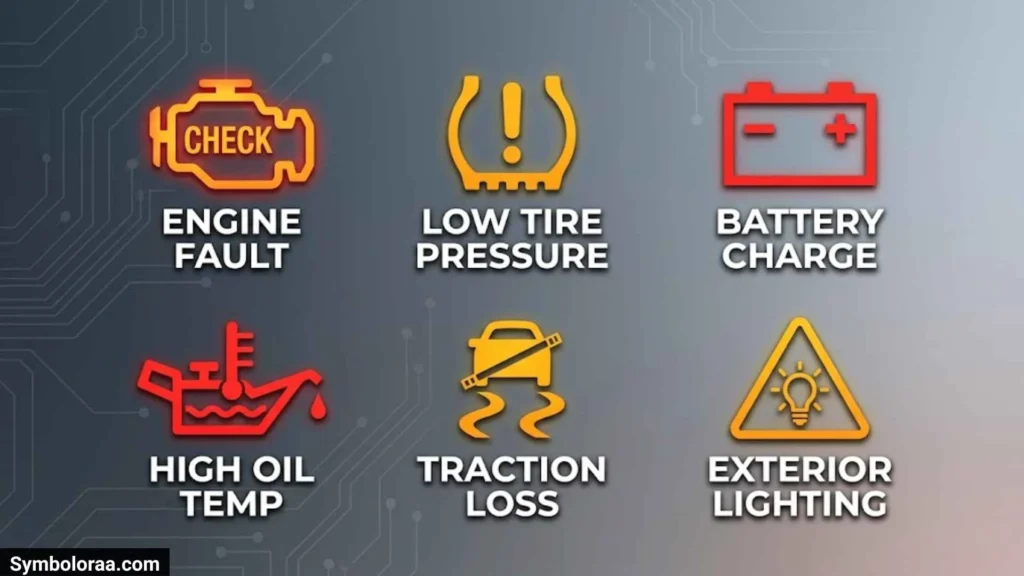
Effective dashboard warning lights troubleshooting begins with the right information. Guessing at a repair can waste money and leave the underlying problem unresolved.
Check the Owner’s Manual First
Start with the manual for your vehicle’s exact model and year. It explains the symbols used by the manufacturer and often provides specific instructions for each warning.
This matters because two similar-looking symbols can have different meanings. Even the same warning can require different actions across vehicle models.
Use an OBD-II Scanner for Engine Faults
An OBD-II scanner reads diagnostic trouble codes stored by compatible vehicle systems. These codes help technicians investigate engine management and emissions problems.
For example, a code may indicate that a sensor circuit is operating outside its expected range. However, the sensor itself may not be the problem. Damaged wiring, a connector issue, or another faulty component could produce the same code.
A scanner provides clues, not an automatic repair answer.
Inspect Relevant Fluids, Tires, and Electrical Connections
Some dashboard warnings relate to conditions you can check safely.
| Warning | Basic check |
| Oil pressure | Stop the engine and check the oil level when safe |
| Coolant temperature | Stop and allow the engine to cool |
| TPMS | Measure tire pressure and inspect the tires |
| Washer fluid | Check the reservoir and refill if needed |
| Battery or charging system | Arrange battery and charging system testing |
| Brake system | Check parking brake status and seek help if the warning persists |
Never rely on a basic visual inspection to rule out a serious mechanical fault.
Know When Professional Diagnosis Is Necessary
Brakes, airbags, steering systems, transmissions, and electronic throttle controls may require specialist equipment and training.
A qualified technician can perform targeted tests rather than replacing parts based on guesswork. They can also confirm whether the fault has been corrected and whether the warning system operates properly afterward.
Can You Reset Car Dashboard Warning Lights?
Some dashboard indicators clear automatically after you correct the condition that triggered them. Others require a specific reset procedure or professional diagnosis.
Warning Lights That May Clear After Correcting the Problem
A tire pressure warning may turn off after you inflate the tires to the recommended pressure and the monitoring system updates.
Some maintenance reminders can be reset after completing the required service. Certain temporary alerts may also disappear when the relevant condition returns to normal.
However, the exact process depends on the vehicle.
Why You Shouldn’t Ignore or Force a Reset
Resetting a warning without fixing its cause can hide useful diagnostic information and create a false sense of security.
For example, clearing an engine fault code doesn’t repair an engine misfire. Resetting a maintenance reminder doesn’t replace overdue engine oil.
Safety-critical warnings deserve particular care. Never disable an airbag, ABS, or other protective system simply to make the dashboard look normal.
How to Reset a Warning Light Correctly
Follow these steps:
- Identify the warning and its cause.
- Complete the required maintenance or repair.
- Follow the manufacturer’s reset instructions.
- Use a suitable diagnostic tool when required.
- Confirm that the warning remains off and the system works correctly.
If the light returns, investigate the fault instead of repeatedly resetting it.
How to Prevent Common Car Warning Lights
You can’t prevent every dashboard warning. Sensors and mechanical components can fail without warning. Still, regular maintenance helps reduce avoidable problems.
Follow the Vehicle Maintenance Schedule
Change engine oil and filters at the intervals specified by the manufacturer. Check the recommended fluid types and service intervals rather than relying on a universal schedule.
Keep records of repairs and routine maintenance. They can help a technician identify recurring problems and prevent unnecessary replacement of parts.
Check Tire Pressure Regularly
Use a tire pressure gauge to check pressure when the tires are cold. Follow the recommended values on the vehicle’s door-jamb label or in the manual.
Inspect tires for cuts, bulges, uneven wear, and embedded objects. Correct pressure improves handling and helps reduce unnecessary tire wear.
Maintain the Battery and Charging System
Pay attention to slow engine cranking, dim lights, and recurring electrical issues.
If the vehicle struggles to start, have the battery and charging system tested. Cleaning or tightening connections may help in some cases, but damaged components need proper repair.
Monitor Cooling and Braking Systems
Watch for coolant loss, rising engine temperatures, brake fluid warnings, unusual brake noises, or changes in pedal feel.
Address these signs promptly. A small coolant leak can become an overheating problem, while a brake fluid leak can compromise stopping ability.
Respond to Early Dashboard Alerts
Don’t ignore a warning simply because the car still runs.
Record when the light appears, whether it flashes, and any symptoms that occur at the same time. This information can help a technician diagnose the problem more efficiently.
Preventive maintenance doesn’t eliminate every repair, but it can help you catch problems before they become more serious.
Frequently Asked Questions About Car Symbols and Warning Lights
What Are the Most Common Car Warning Lights?
The most common include the Check Engine Light, oil pressure warning, battery or charging system warning, brake warning, tire pressure alert, and engine temperature warning.
Their meanings vary, so identify the actual symbol before deciding how urgently to respond.
What Does a Red Warning Light Mean in a Car?
A red warning often signals a serious condition that needs immediate attention. Oil pressure and engine overheating warnings commonly require you to stop safely and switch off the engine.
However, some red indicators, such as a seat belt reminder, have a different purpose. Always identify the specific symbol.
What Does an Orange or Yellow Dashboard Light Mean?
Yellow and orange lights commonly indicate a fault, caution condition, or system that needs inspection.
Examples include the Check Engine Light, TPMS, and ABS warning. Some allow cautious driving, while others become urgent when accompanied by severe symptoms.
Can You Drive With a Dashboard Warning Light On?
It depends on the warning and the vehicle’s behavior.
A routine indicator usually doesn’t prevent driving. A persistent ABS warning may allow cautious driving if conventional braking works normally, although the anti-lock feature may be unavailable.
By contrast, low oil pressure, severe overheating, or unsafe braking requires you to stop safely.
What Does a Flashing Check Engine Light Mean?
A flashing Check Engine Light commonly indicates an engine misfire that may damage the catalytic converter.
Reduce engine load and seek prompt assistance. If the vehicle shakes, loses power, or runs roughly, stop safely rather than continuing your journey.
Why Is My Battery Warning Light On While Driving?
It often indicates a charging system problem. Possible causes include alternator failure, a damaged drive belt, loose connections, or wiring faults.
Arrange prompt inspection because the vehicle may eventually lose electrical power.
What Is the Difference Between ABS and Brake Warning Lights?
The ABS light indicates a potential problem with the anti-lock braking function. The general brake warning may indicate an engaged parking brake, low brake fluid, or another brake system fault.
If both lights appear together or braking performance changes, stop safely and seek assistance.
What Does the Tire Pressure Warning Symbol Look Like?
It commonly resembles a horseshoe-shaped tire with an exclamation mark inside.
It may indicate low tire pressure or a monitoring system fault. Check the pressure with a gauge and follow the manufacturer’s instructions.
How Do I Identify an Unfamiliar Car Dashboard Symbol?
Check the owner’s manual for your exact vehicle. Look for a matching icon and any accompanying dashboard message.
You can also consult the manufacturer’s official website or contact an authorized service center. Don’t rely on a similar-looking icon from another vehicle if the warning could affect safety.
Can a Dashboard Warning Light Turn Off by Itself?
Yes. Some alerts disappear when the underlying condition returns to normal. Others remain on until you complete a repair or follow a reset procedure.
A light turning off doesn’t always prove that the problem has been fixed. If the warning returns, arrange diagnosis.
Are Car Dashboard Symbols the Same in Every Vehicle?
No. Many symbols follow common automotive conventions, but their appearance, color, and meaning can vary by manufacturer, model, and year.
Always use your vehicle’s owner’s manual to confirm a symbol’s meaning and the recommended response.
Conclusion: Understand Car Warning Lights Before They Become Bigger Problems
Understanding car symbols and warning lights helps you recognize problems early and make safer decisions on the road. From oil pressure and engine temperature alerts to tire pressure, ABS, and airbag warnings, every indicator provides information about a specific vehicle condition or feature.
Remember three important rules:
- Identify the symbol: Check its meaning in your owner’s manual.
- Assess the urgency: Pay attention to the color, flashing behavior, and symptoms.
- Take the right action: Stop for critical warnings and arrange professional diagnosis when needed.
A dashboard warning isn’t something to ignore or reset without understanding. Responding appropriately can help protect your safety, prevent avoidable damage, and keep your vehicle dependable.

I’m Madison Reed, a contemporary American author who writes about love, family, friendship, and second chances. I’m fascinated by the choices that shape our lives and the moments that change us forever. My goal is to create honest, emotional stories with characters readers can connect with long after finishing each book.
Three Books:
When We Find Our Way
The Things We Never Said
Summer in September